Uncover the secrets to buying real estate in Punta Cana with this expat
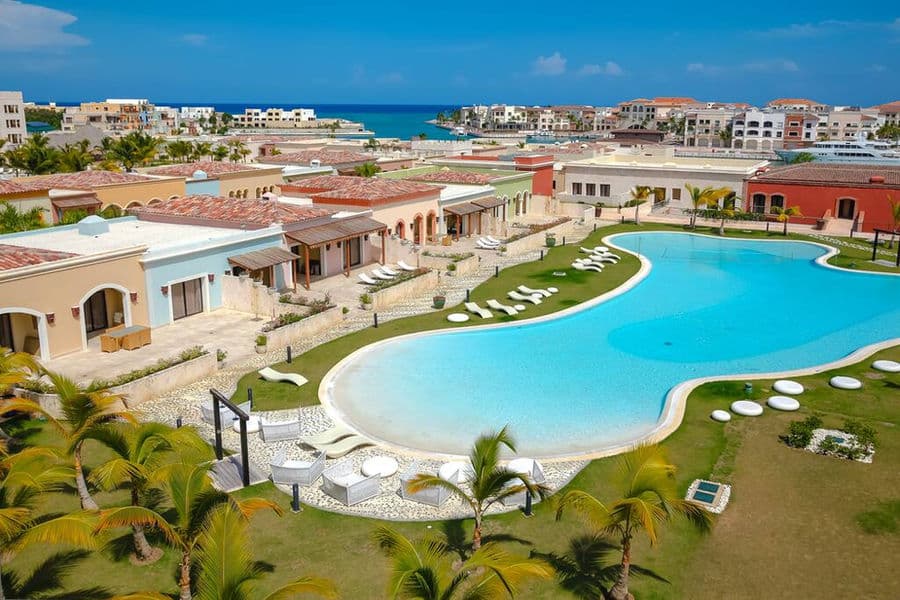
Luxury lifestyle in Punta Cana Are you an expat dreaming of owning property in the Dominican Republic? Buying real estate abroad can be tricky. The Dominican Republic offers foreigners the chance to buy property with few restrictions. This guide will walk you through the key steps and tips for purchasing your slice of paradise.
Ready to make your dream a reality? Your Guide to Real Estate in Punta Cana Buying property in the Dominican Republic can be a little tricky for foreigners, as it doesn't have an MLS and there is no governing body as yet, but don't let that put you off there are plenty of professionals here to guide you. The country's real estate market has grown by 7% annually over the past five years, particularly following the COVID-19 pandemic.. This guide will walk you through the essential steps to be aware of or purchase your dream home in this Caribbean paradise.
9% in tourist hotspots like Punta Cana and Santo Domingo. Foreigners face no major restrictions when buying property, but understanding local laws and working with experienced professionals is crucial. Buyers should budget for a 30% down payment, as banks typically finance up to 70% of a property’s value, but 50%+ for foreigners, talk to your regarding the banks interest rates. Key taxes include a 3% transfer tax and a 1% annual property tax for properties valued over RD$10,190,833 (approximately USD 172,000).
Foreign investors can fast-track residency by investing at least $200,000 in government-approved real estate projects. Please remember there is nothing fast about a Caribbean lifestyle. Determine Your Budget when Buying Real Estate in Punta Cana Setting a realistic budget is essential when buying property in the Dominican Republic. 5% of the purchase price Annual Property Tax 1% of property value over RD$10,190,833 Rental Income Tax (Residents) 15% of rental income Rental Income Tax (Non-Residents) 27% of rental income Financing Costs (if applicable) Varies, typically 10%+ interest for national banks Example Budget for a 3-Bedroom Luxury Villa with a pool Purchase Price: $730,000 USD Transfer Tax: $21,900 USD Legal Fees: $7,300-$10,950U SD Total Initial Costs: $759,200-$762,850 USD (excluding financing or renovation costs) The CONFOTUR Law The CONFOTUR Law (158-01), also known as the Tourism Incentive Law of the Dominican Republic, is a game-changer for anyone looking to invest in real estate in this tropical paradise.
This law is all about boosting the country’s tourism industry by offering significant tax incentives to developers and buyers of properties in areas rich in natural beauty or high tourism potential. Here’s what this means for you as a savvy real estate investor: if you find a new development boasting the CONFOTUR status, you’ve struck gold. This designation can qualify your investment for substantial tax benefits. For buyers like you, these benefits could include exemptions from key property taxes, such as: The 3% property transfer tax , which is typically paid when transferring a property title.
The annual 1% Real Estate Property Tax (IPI) —and here’s the best part—you’re off the hook for this tax for an impressive period of 10 to 15 years! In short, CONFOTUR isn’t just a selling point—it’s a smart move for your financial future. Research the Market The Dominican Republic offers a diverse real estate market, a good real estate agent will know the difference between the different regions, including beachfront condos, countryside villas, and luxury rentals. Areas like Punta Cana, Bavaro, and Cap Cana are popular with tourists and investors due to their rental potential and increasing property values.
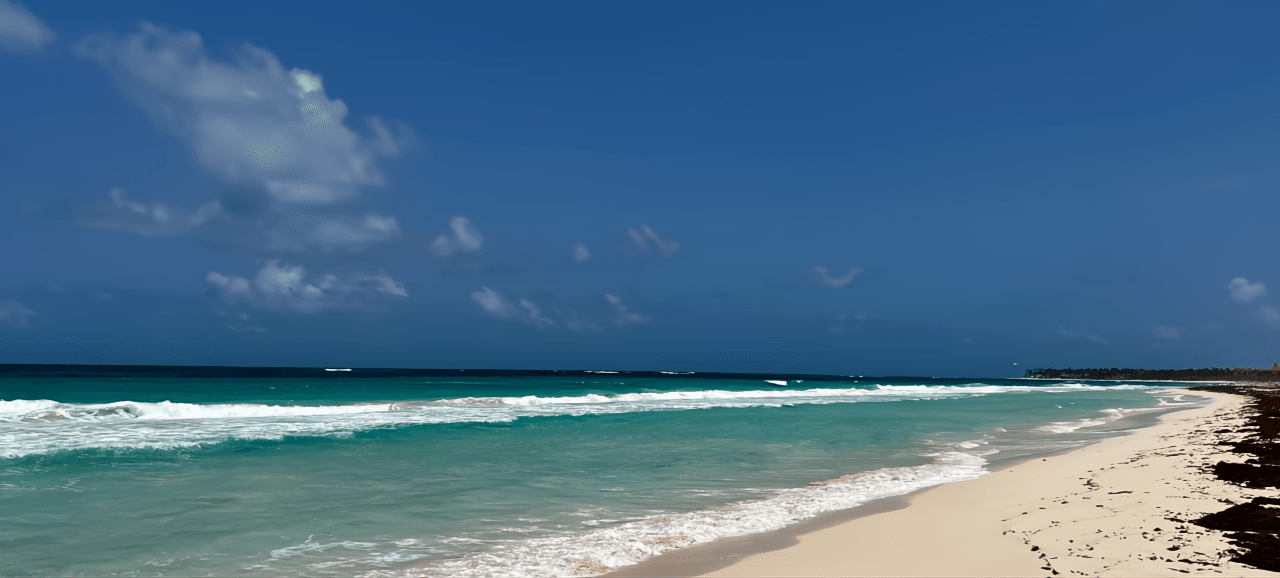
6% GDP increase over the last five years. 9% annually, outperforming many Caribbean destinations. Working with reputable real estate brokerages like The Agency ensures access to accurate market data and expert insights. Golden sand as far as the eye can see - Playa de Moon Palace Choose the Right Location Each region in the Dominican Republic has unique characteristics.
Ask your real estate agent what's the best fit for you, give them as much detail as possible, and the right agent will be able to guide you to your dream property. Location Highlights Punta Cana/Bavaro Pristine beaches, high rental demand, and modern developments. Cap Cana Exclusive gated communities with luxury amenities. Las Terrenas Charming coastal town with French influence and expat appeal.
Santo Domingo Vibrant capital city with cultural attractions and urban living. Sosua/Cabarete Popular among expats for relaxed beach vibes and surfing. 5% of purchase price Notary Fees Included in legal fees, for authenticating key documents Property Appraisal Varies, typically $200-$500 USD Residency Application Fee $1,200 for initial application Differences for Foreign Buyers Taxation: Non-residents pay 27% rental income tax compared to 15% for residents, a good accountant is essential when buying real estate in Punta Cana Dominican Republic, and properties bought in a company name attain other benefits that an individual wouldn’t. Financing: Limited mortgage options; private lenders require higher down payments (50%+), but the process is usually quite quick once all the documentation is in order.
Residency Perks: Investing $200,000+ in approved projects can fast-track residency, remember there is nothing fast in the Caribbean. The Buying Process Partner with a Real Estate Agent: Choose a reputable brokerage, and surf for testimonies of good agents, The Agency for example, have high standards for choosing their agents, remember you wouldn't choose a car mechanic to do your heart surgery. View and Select Properties: Tour multiple options with your agent, or ask them to do video showings for you, ensuring thorough due diligence. Make a Formal Offer: Submit a Letter of Intent/Offer to Purchase with a minimum 1% deposit.
Sign a Promise of Sale: Legally binding document authenticated by a notary. Typically, 10% of the purchase price is placed in escrow, this depends on a few variables Conduct Due Diligence: Includes title searches, property surveys, and environmental assessments. Sign the Deed of Sale: Finalize the transaction and pay the transfer tax. Glossary of Common Real Estate Terms Spanish Term English Translation Certificado de Título Title Certificate Registro de Títulos Register of titles Promesa de Venta Promise of Sale Contrato de Compraventa Contract of Sale Contrato de venta y prestamo Hiptotecario Sales agreement and Mortgage loan Notario Público Notary Public Impuesto de Transferencia Transfer Tax Ley de Registro Inmobiliario Property Registry Law Hipoteca Mortgage Zona Turística Tourist Zone Avalúo Property Appraisal Due Diligence Debida Diligencia Escritura de Venta Deed of Sale Residencia Residency contrato de mantenimiento Maintenance Agreement/HOA Carta de intenciones Letter of Intent Abogado Lawyer agente de ventas Listing Agent empresa inmobiliaria Real Estate Company Cuarto de servicio Service quarters Linea Blanca appliances fuerza mayor force majeure Supplementary Steps Residency Application: Investing $200,000+ in approved real estate can fast-track residency.
Don’t forget you are in the Caribbean, and nothing is essentially fast. Legal Review: Engage an attorney to ensure compliance with Property Registry Law No. 108-05. Community Rules: Review any homeowner’s association (HOA) or maintenance guidelines.
Conclusion Buying property in the Dominican Republic offers exciting opportunities for both investors and expats. By researching the market, choosing the right location, and partnering with experienced professionals, you can navigate the process confidently. With due diligence and a clear understanding of taxes and fees, your dream Caribbean property is within reach. Ready to take the first step?
Contact a trusted real estate agent today. FAQs What’s the first step in buying property in the Dominican Republic? Start by partnering with a reputable real estate agent to guide you through the process. Are there restrictions on foreigners buying property?
No major restrictions exist, but foreign buyers must adhere to local laws and tax requirements. How much are property taxes? Annual property tax is 1% of the value exceeding RD$10,190,833 (approximately USD 172,000). What’s the minimum down payment?
Dominican banks typically require at least 30% of the property’s value, expats are 50% on average. Do I have to use an attorney? You will always need an attorney to complete real estate deals in the Dominican Republic, for 1. the contracts are all written in Spanish, and 2.
as there is no MLS, and therefore no governing body over real estate and experienced conveyancing attorney is essential. Sources Property Registry Law No. 108-05 Dominican Republic Tax Code Banco Central de la República Dominicana The Agency Real Estate Brokerage The Confutor Law No.
How Paul Can Help
Use this as a starting point for your Dominican Republic property journey, then contact Paul for listing-specific and area-specific guidance.
Guidance From Search to Settlement
Speak with Paul about your property goals, preferred areas, timing, and next steps.